Cheap Photography! Tutorial on DIY Jib Photography

Getting interesting camera angles is always on my mind, but often times I just dont have the resources for all of the gear I need. Additionally, I don’t professionally produce videos – I mainly shoot clips of my travels and string them together in iMovie, so investing in major equipment is not something I’m into right now.

This new tutorial posted on Vimeo goes over the basics of jib photography, and includes some excellent resources on building a jib on the cheap. It’s amazing to see the results you can get out of just a bit of controlled motion in your videos.

A jib — also called a crane — is a device that enables cinematographers to get smooth moving shots. With a jib you can tilt and pan horizontally and vertically, or even a full 360 degrees. There are many reasons why you’d want to use a jib, which we’ll explore in depth later.

Video School / Lessons – Jibs and Cranes on Vimeo

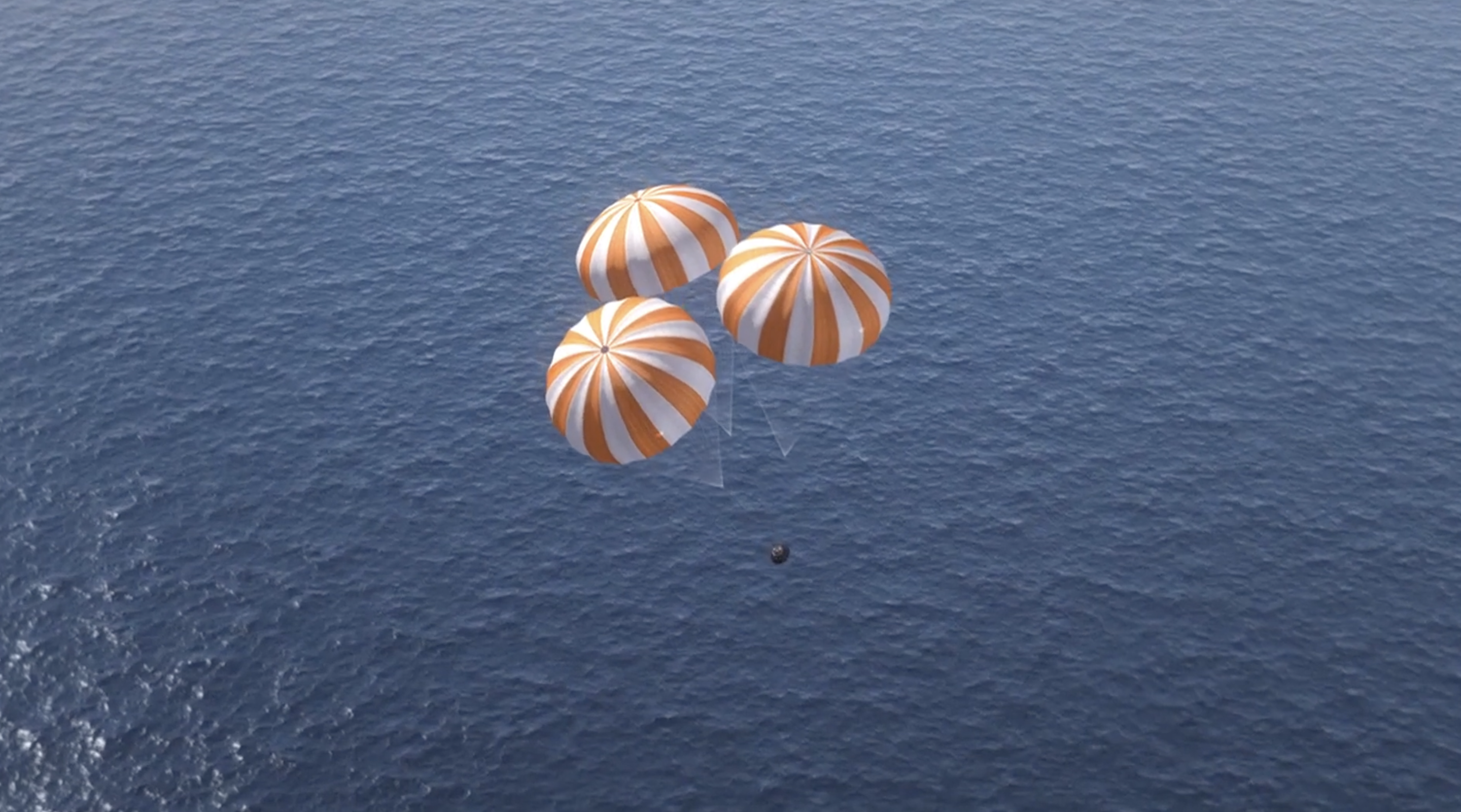
First Look – Flight of the Orion

NASA: Flight of the Orion… from Full {Circle} Werks on Vimeo.

This short animated film depicts the flight and orbit of the NASA's new spacecraft that will take humans far beyond low-Earth orbit.

We used some original Apollo audio samples and created some bespoke effects, music and atmos to create a complex audio collage from scratch.

All sound design, music and effects by Chris Wiseman at Full Werks studios, UK

Many thanks to NASA and archive.org for the footage and their continued support.

Live long and prosper….

www.nasa.gov
www.fullwerks.com
http://twitter.com/FCmusicandfilm

Working remotely from Loosecubes HQ

photo 4

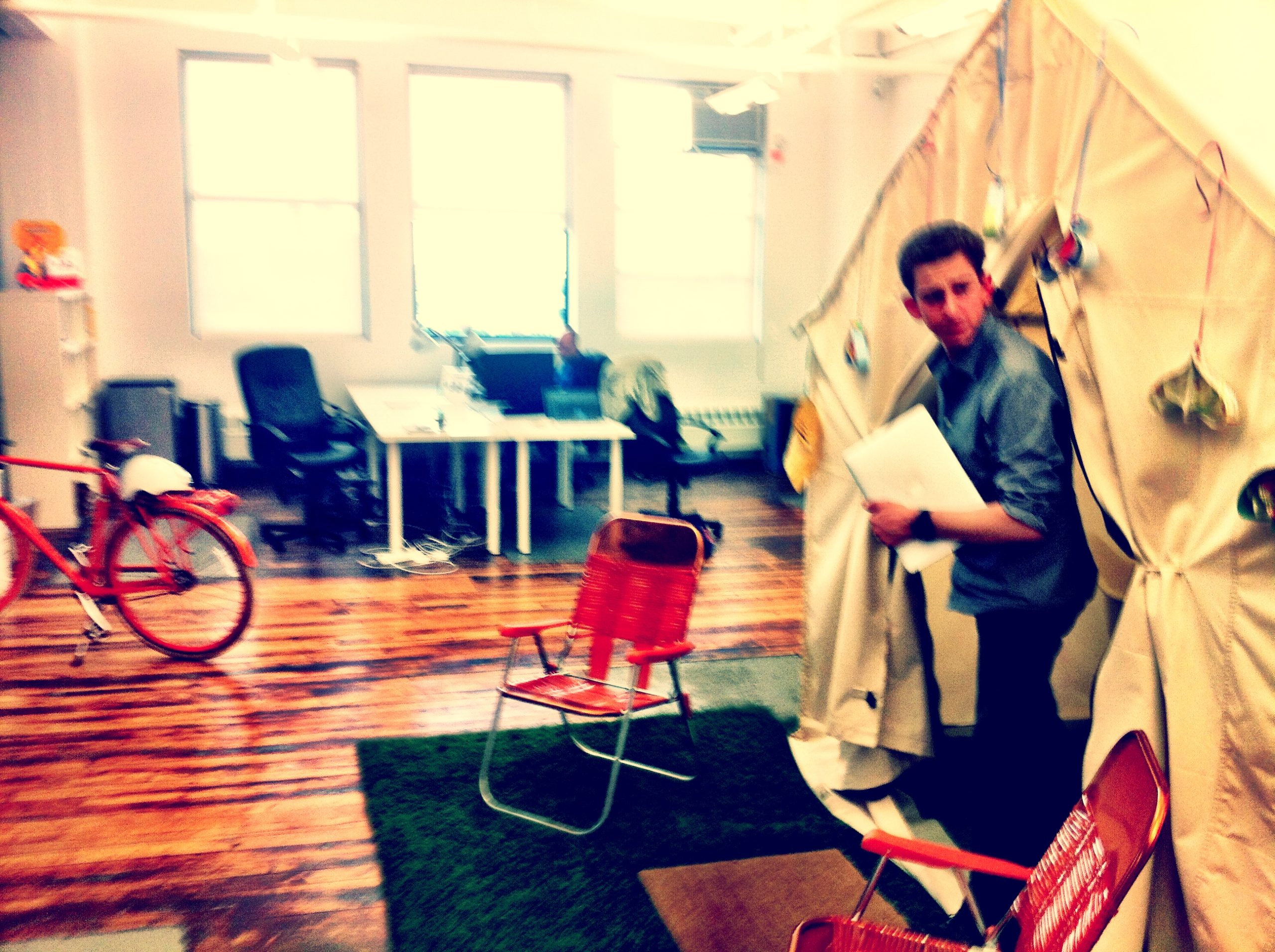
Taking the Fueled office mobile with Fueled Senior Editor Brady Donnelly at the Loosecubes headquarters. Love their canvas army tent, and open, friendly office space. Booking was a breeze, and they were well setup up to address the most common new office worker questions – Wifi password, water, and bathroom.
Look for more Loosecubes post very soon.. ;)

photo 2

Previously, I wrote about Loosecubes being like AirBnB for office space.

Fueled at Loosecubes photoset on Flickr

How Blogging Has Helped Me Apply the DRY Principle to Conversations

I recently had an online conversation with old friend Dakota Blair. It had been a while since we talked, and so there was a lot to catch up on – where we’re both working now, life events, tech news, etc. Throughout the course of the conversation, in response to about half of the questions Dakota asked me, I found myself sending him links to blog posts I’d written in the past. For example, my response to “what are you currently doing for work” was simply “here, check out this blog post”, with a link to the blog post in which I detailed exactly who I’m working for, and what I’m doing – complete with links to everything, list of clients, etc. I had already taken the time to answer that question in full, and so instead of typing out the answer again, a simple link answered the question fully. I love this method for answering question. Not because pushes people away, but because it allows me to remain closer and have more detailed conversations with people. Instead of my hacking out a half-assed response to that question, I can now simply send the link and give full answer. Less energy for me, more room for detail, closer relationships.

In explaining this methodology to Dakota, he aptly made reference to the  ”Don’t Repeat  Yourself” (DRY) principle for software development, which simply states:

“Every piece of knowledge must have a single, unambiguous, authoritative representation within a system.”

For me, my own DRY Principle universal knowledge base is my blog. And thank you for reading it. :)

Dont repeat yourself – Wikipedia, the free encyclopedia.

The Descriptive Camera Uses Human Intelligence Tasks to “Develop” Photos

Does a higher HIT bit get you better camera “resolution”?

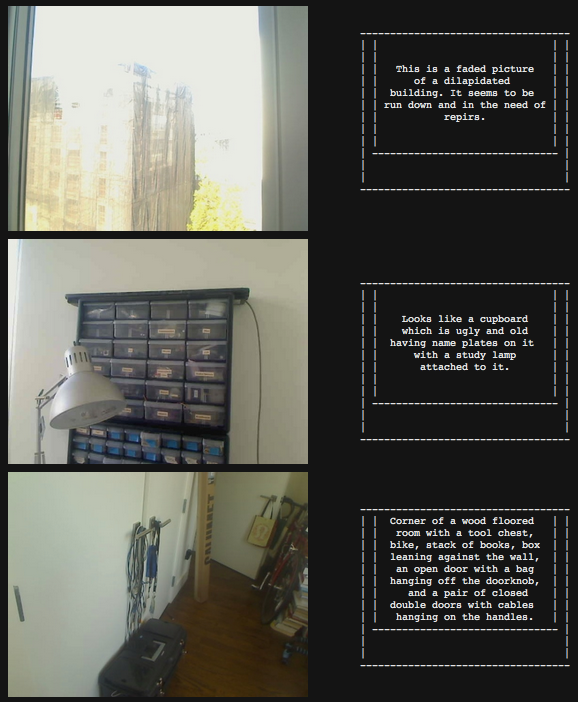
The Descriptive Camera works a lot like a regular camera—point it at subject and press the shutter button to capture the scene. However, instead of producing an image, this prototype outputs a text description of the scene. Modern digital cameras capture gobs of parsable metadata about photos such as the camera’s settings, the location of the photo, the date, and time, but they don’t output any information about the content of the photo. The Descriptive Camera only outputs the metadata about the content. … After the shutter button is pressed, the photo is sent to Mechanical Turk for processing and the camera waits for the results. A yellow LED indicates that the results are still “developing” in a nod to film-based photo technology. With a HIT price of $1.25, results are returned typically within 6 minutes and sometimes as fast as 3 minutes. The thermal printer outputs the resulting text in the style of a polaroid print.

Descriptive Camera.