Running the South Pole Marathon

After about a month and a half of training, I finally got my chance to run the 26.2 mile South Pole Marathon. Although the main group of runners ran it on new years day, and on a non-traditional course, I unfortunatly was on the kitchen work schedule that day, and so had to wait a few days to run. I ran on Sunday, January 6, 2013, and ran the traditional 5 laps on the south pole skiway. For some background, see a quick video of my training.

2013-01-06 South Pole Marathon

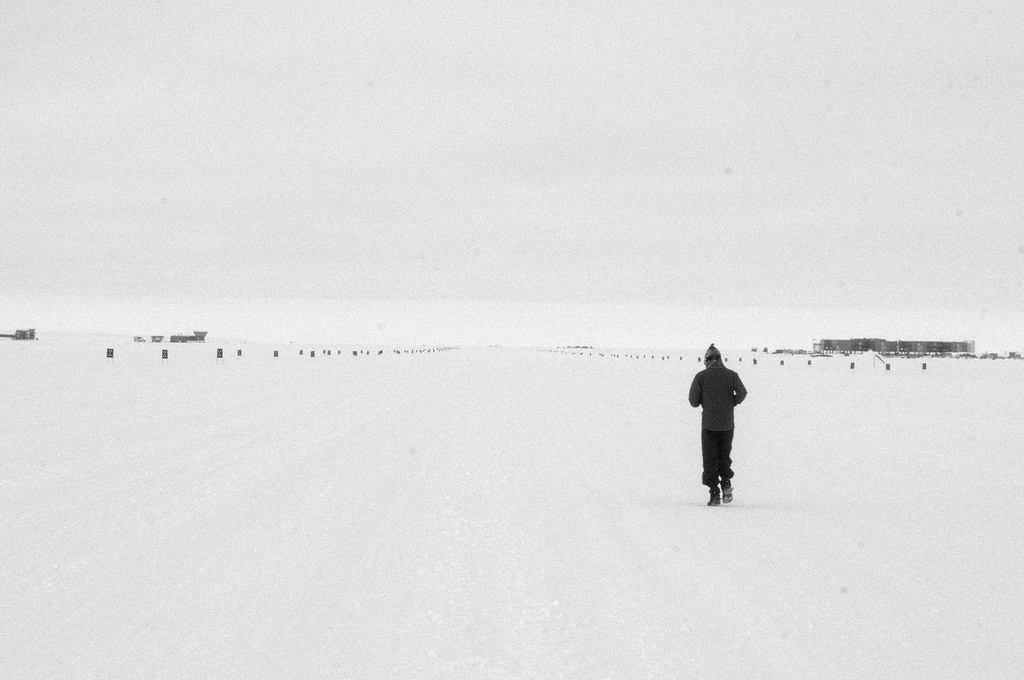
Overall, the run felt great. I got up at 04:00 on Sunday morning, put on my running gear, grabbed a thermos of hot apple cider from the galley, grabbed a radio from Comms, and went out to the Pax Terminal next to the skiway. Since I was running unsupported, I used the heated Pax Terminal as my warming and support hut, and left all of my food and gear in there while I ran.

Running felt great, and I completed the 26.2 miles in 05:41:50 – certainly not a PR, but a time I’m very happy with considering I was running in -15 degree F air, on snow, in the middle of the highest, windiest, coldest, and driest desert in the world.

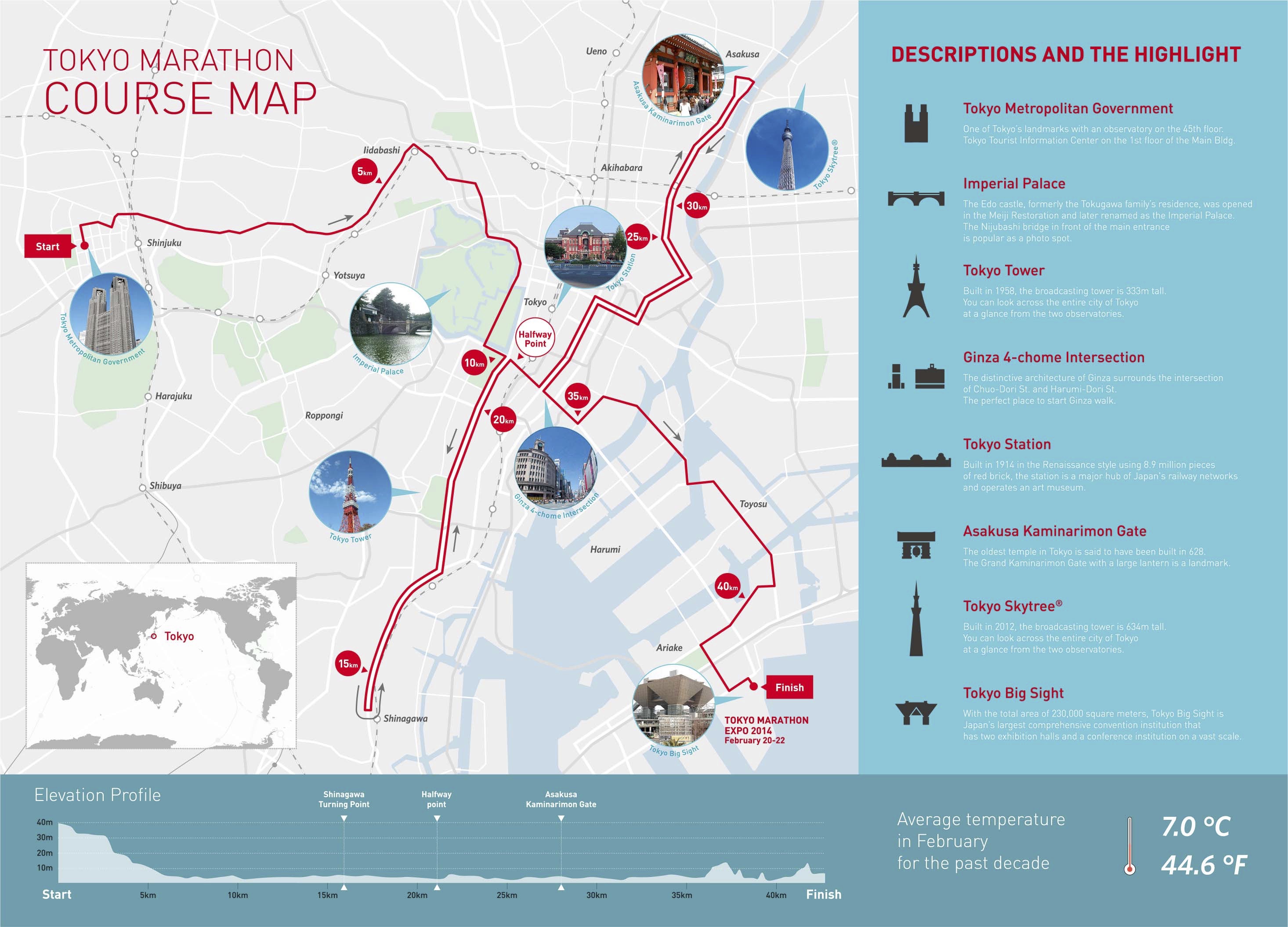
Marathon Course

If you’re wondering, here’s what I wore to run:

  • Salomon XA Pro 3D Ultra2 GTX Trail Runners
  • Smartwool Expedition Weight Socks
  • Icebreaker 3/4 length 200 Bodyfit long underwear bottoms
  • Marmot Goretex Paclite shell pants
  • Ibex 17.5 T-shirt
  • Arc’Teryx Atom LT Jacket
  • OR Versaliners Gloves
  • Burton Full Gauntlet Goves
  • Icebreaker beanie
  • Peru Alpaca Had
  • Smith Goggles
  • Generic fleece neck gaiter

Here’s the GPS track of my run:

Thanks to Blaise for coming out to the skiway at the crack of dawn to take pics of me running!

How To Prepare For The Gran Fondo NY 100 Mile Bike Race

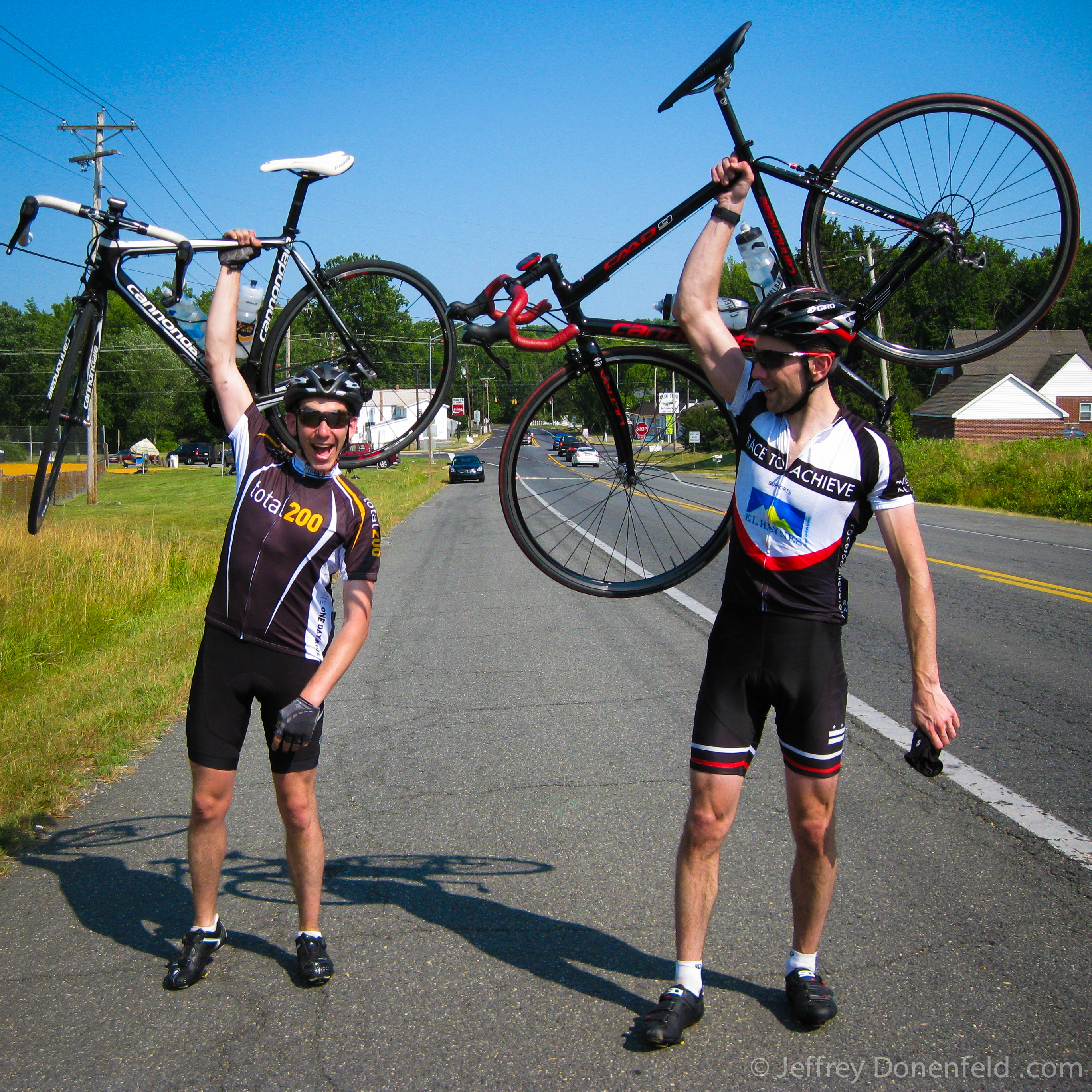
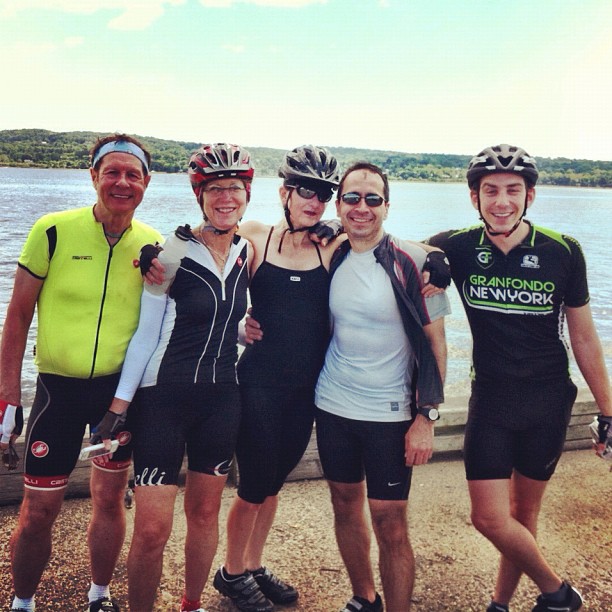
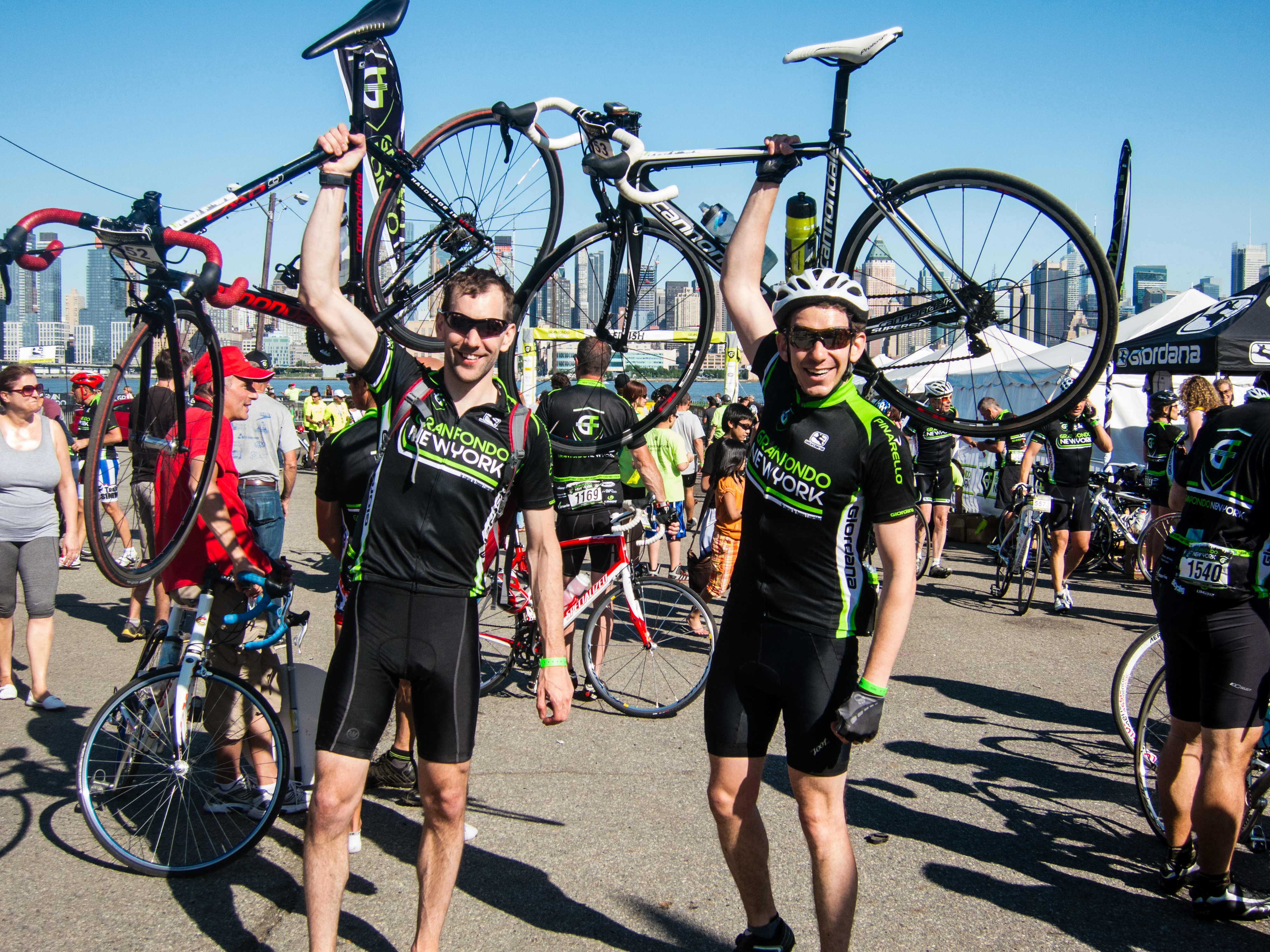
This past year Chris and I did the 110 Mile Gran Fondo Bike Race – my full race report is here: Biking the 110 Mile Gran Fondo NY. Recently a reader asked me for some tips in preparing for the event, so hre are a few tips and thoughts on it…

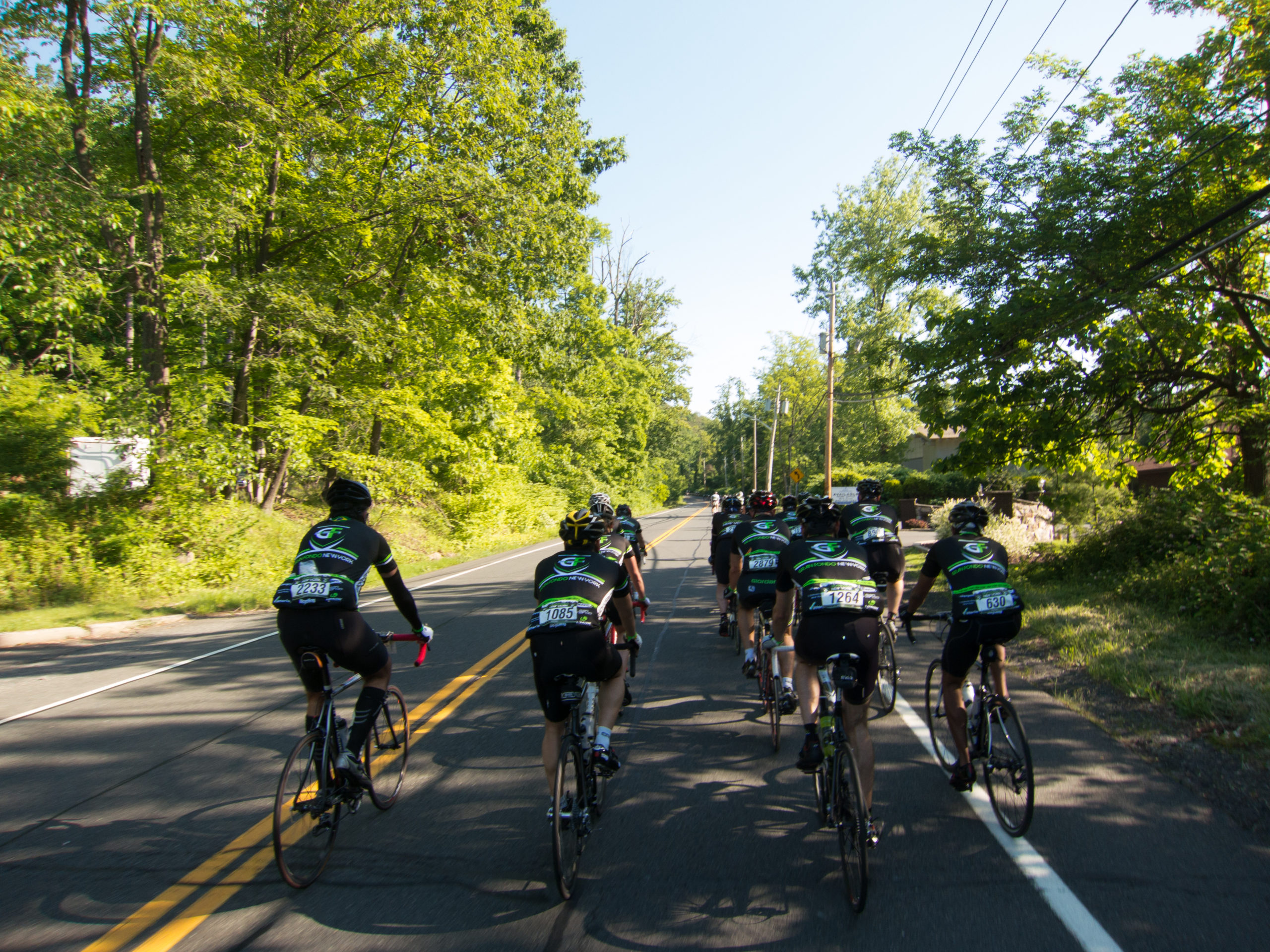
IMG_3885

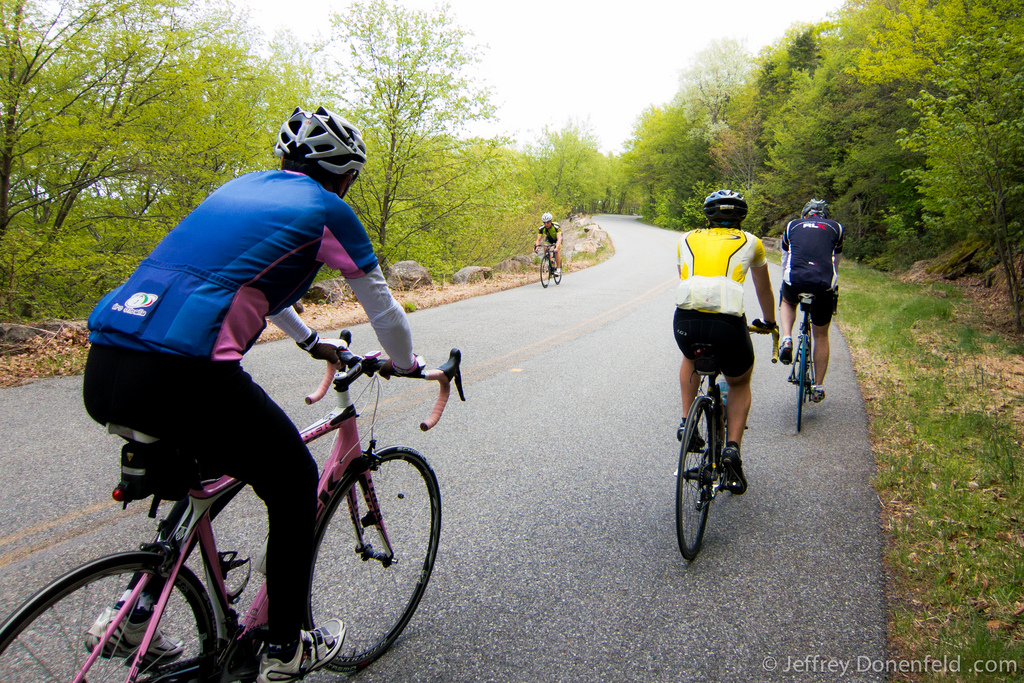
Overall, I didn’t do a ton of specific training for the gran fondo. I joined NYCC and did a 30-50 mile ride with them for the 6 weeks preceeding that ride, and then just did it. Just spending a lot of time on your bike is the key I think – get to know how it all feels, how your gear works, how your body deals, and you’ll be fine.

On eating – start testing out your food routine on warm up rides in the weeks prior, and then stick to that on the ride. I ate a bagel for breakfast with a bunch of coffee, and then did luna bars and other carbs and fruit they had for us at each rest stop. I specifically did not do any of the gummy bears or energy gels – for a 100 mile ride, you want to go for endurance, not the quick burn of a gel.

Gear – definitely get to know your gear, but don’t take a long too much. A basic repair kit is good, and enough water to get you to the next stop, but nothing too extreme. I paired down all of my gear to what I could carry in my jersey – no saddle bag or anything strapped to my bike. Repair kit in left pocket, fits in small freezer ziploc bag – tube, patch, CO2 x2, multitool, levers. Dailys in center pocket, fits in small freezer ziploc bag – iPhone, credit card, ID, cash, health insurance card, metro card, 3 business cards, sunblock stick (doesn’t leak), luna bar or two. Right pocket – Pocket camera, lens cloth bag. That’s it. I got the best padded bike shorts I could find, which was good.

Competiton – Yeah, there are a lot of “bros” on the course, but do it with your friends, stay cool, and have fun! The only person you’re racing is yourself, so if you make sure to have fun no matter what, you’ll be just fine. Enjoy the ride up bear mountain, hang at the top, it will all be great.

Faster and Faster at the Olympics

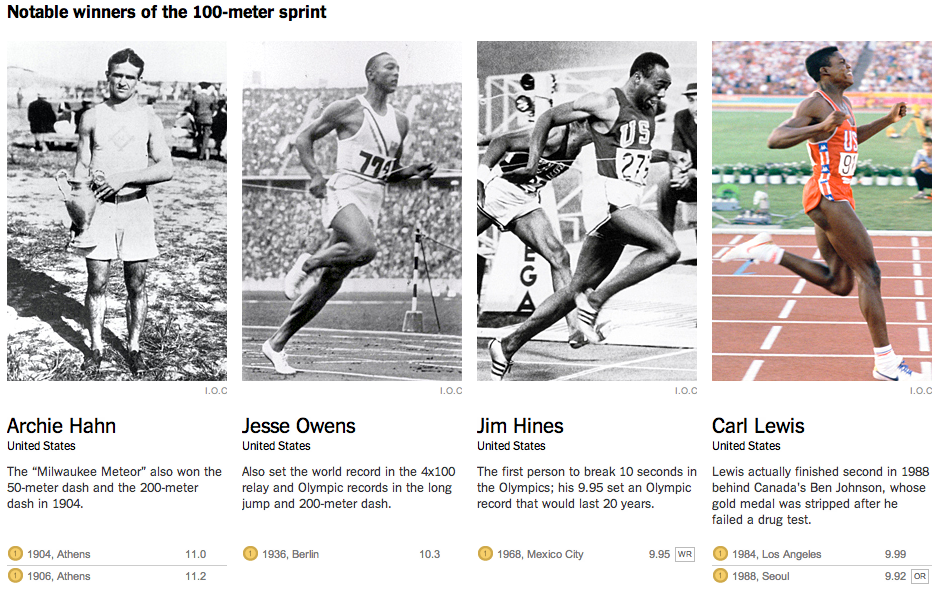
The NY Times recently posted this excellent explainer feature documenting how Olympic sports have gotten faster and faster over the years. The piece focuses on the Men’s 100-Meter Sprint, but covers other important events, like the 100 meter freestyle swim, and long jump.

From NY Times:

Based on the athletes’ average speeds, if every Olympic medalist raced each other, Usain Bolt (the London version) would win, with a wide distribution of Olympians behind him. Below, where each sprinter would be when Bolt finishes his race.

Amazingly, todays 8 year old kids are running as fast as some of the first Olympians. Chalk it up to training, nutrition, or gear – it’s still amazing, and a definite sign of the times. Video below, and click through for the full interactive spread.

One Race, Every Medalist Ever – Interactive Graphic – NYTimes.com.