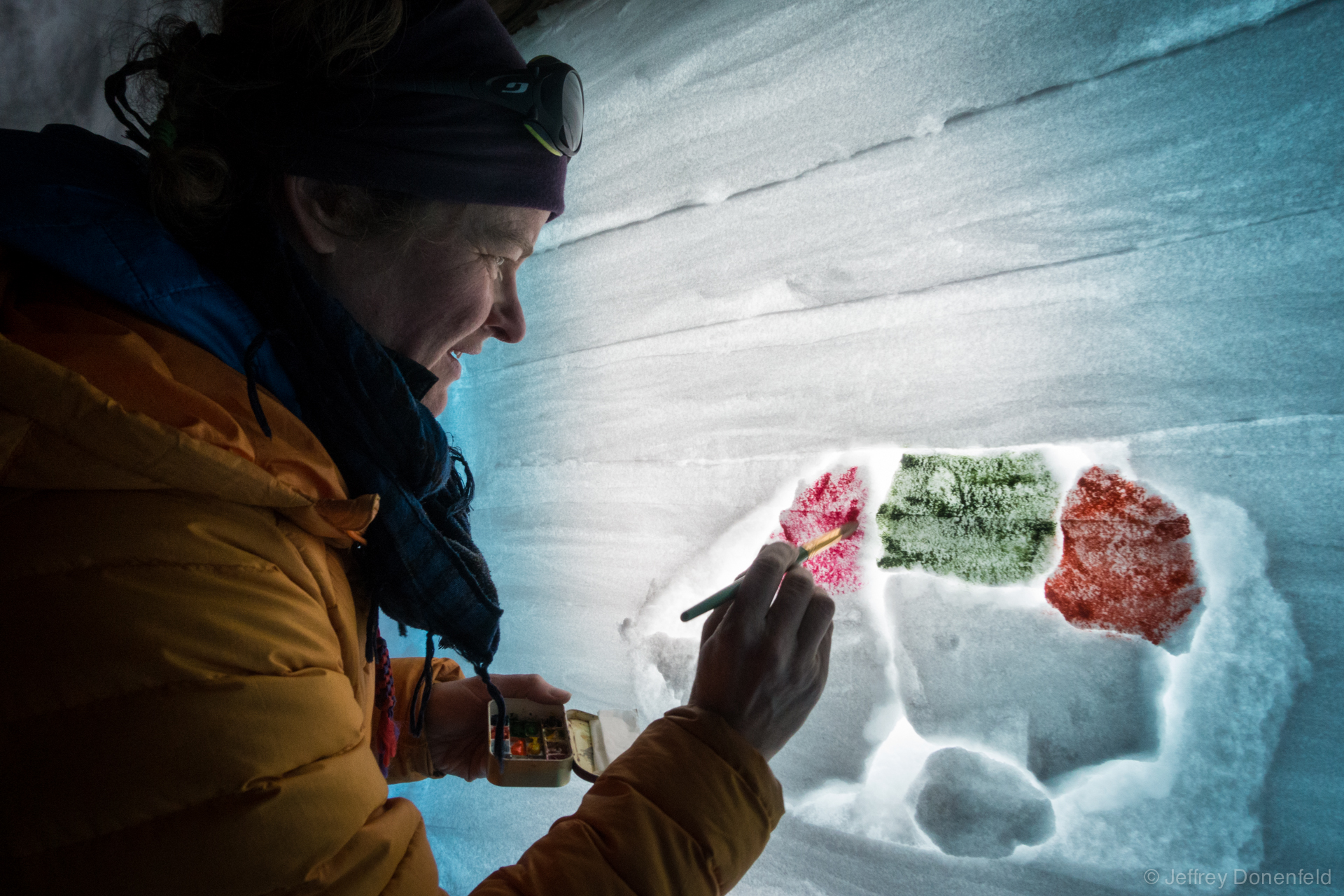
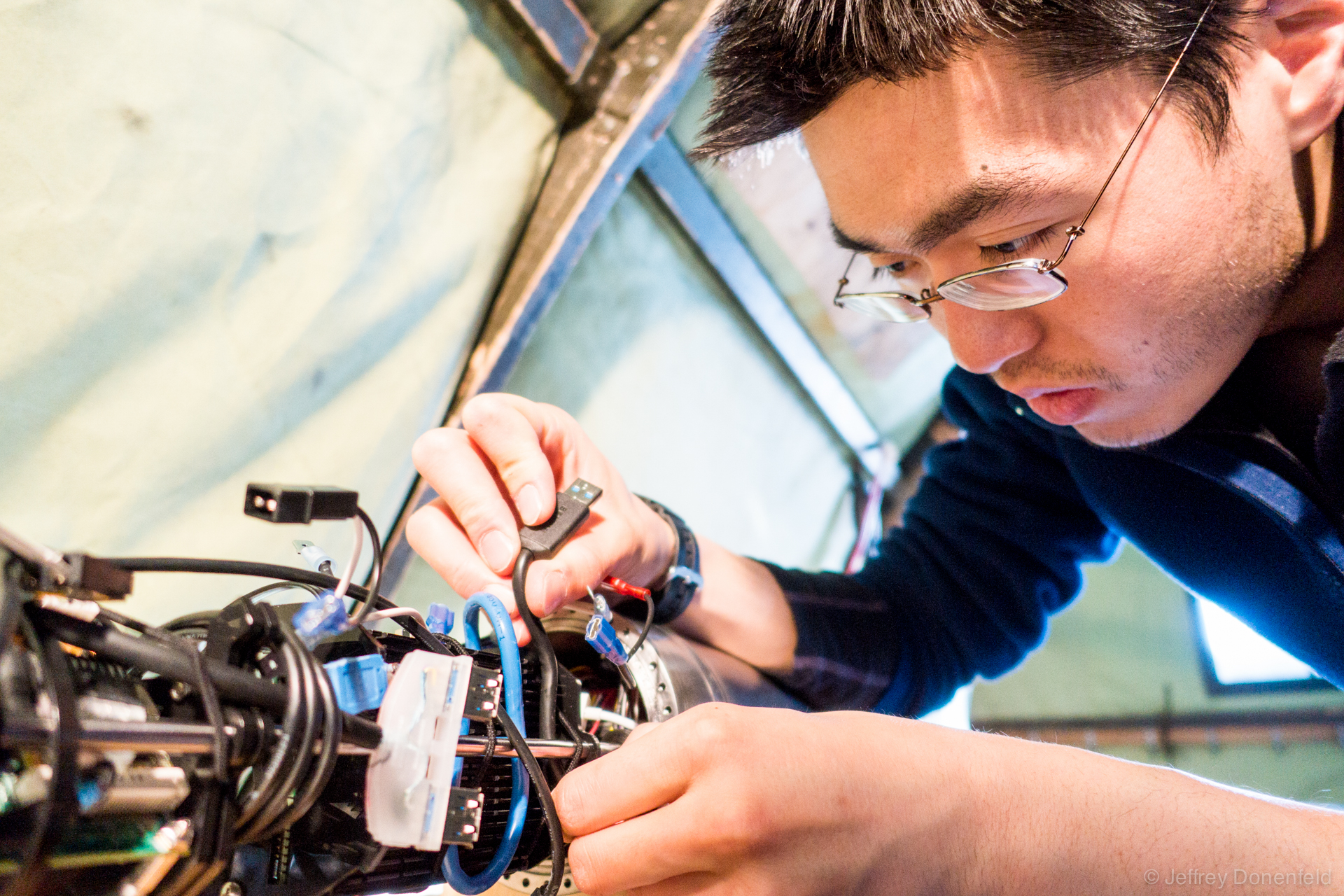
Living and Working at the Amundsen-Scott South Pole Station, Antarctica, Summer 2012-2013

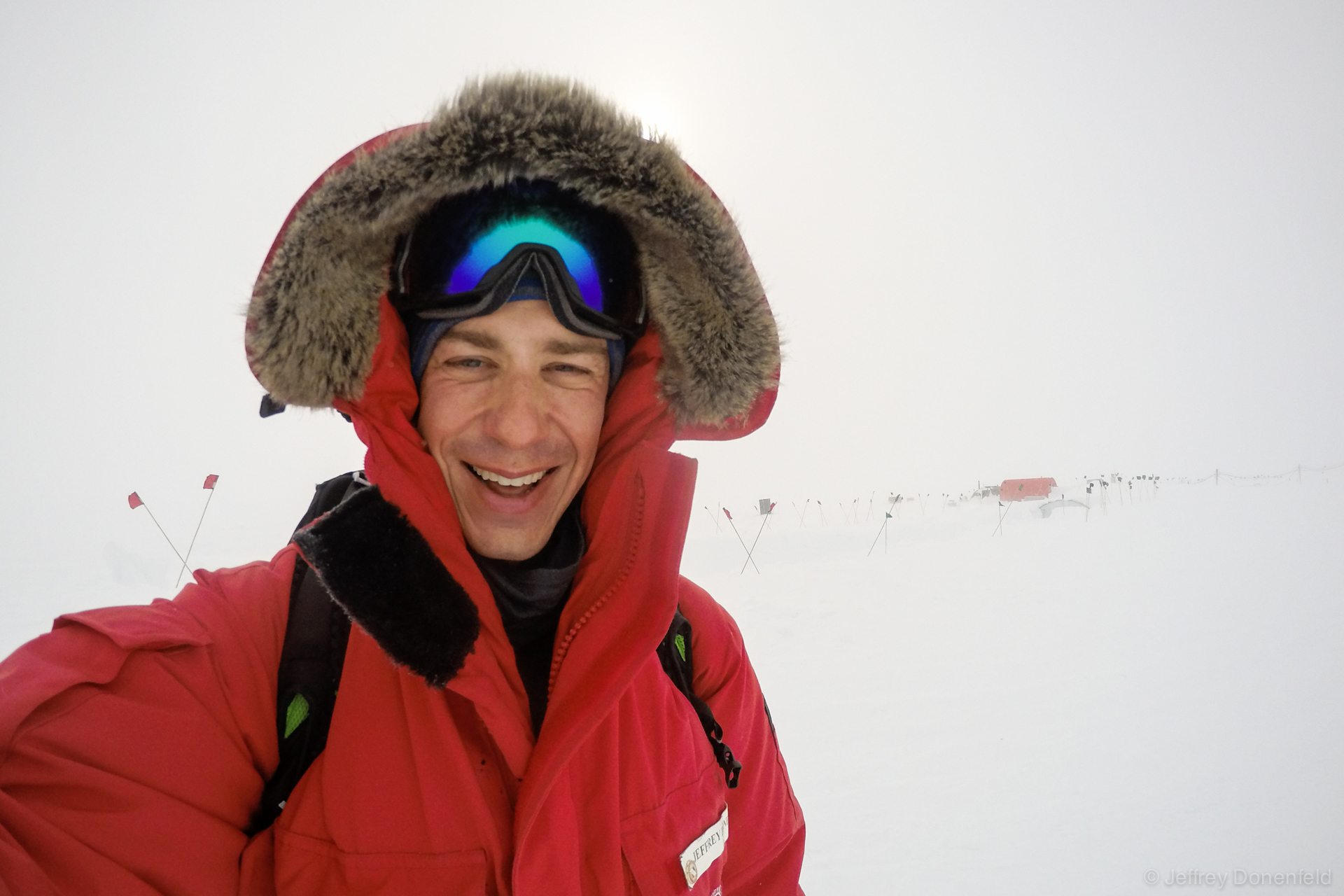
Antarctica Slides - 120 - usap_logo - FullWMDuring the Austral Summer of 2012-2013, I traveled to Antarctica to work as a Cook, EMT, Tour Guide, and Photojournalist at the Amundsen-Scott South Pole Station. While I was living there, I took over 10,000 photos, hours of video footage, and published an article about life in Antarctica on my blog every single day.  Here’s a brief wrapup of my time in Antarctica, with links to all of the content I produced.

All of my blog posts about Antarctica, including most photos can be found at:

http://JeffreyDonenfeld.com/Antarctica


Antarctica Photos Slideshow – 120 essential photos (or, see ALL Antarctica photos)

Antarctica Video Playlist

Since I’ve started blogging about Antarctica, I’ve received a number of questions from readers. To address as many of those questions as possible, I’ve made a long FAQ document. Frequently Asked Questions about Antarctica.

My Job in Antarctica

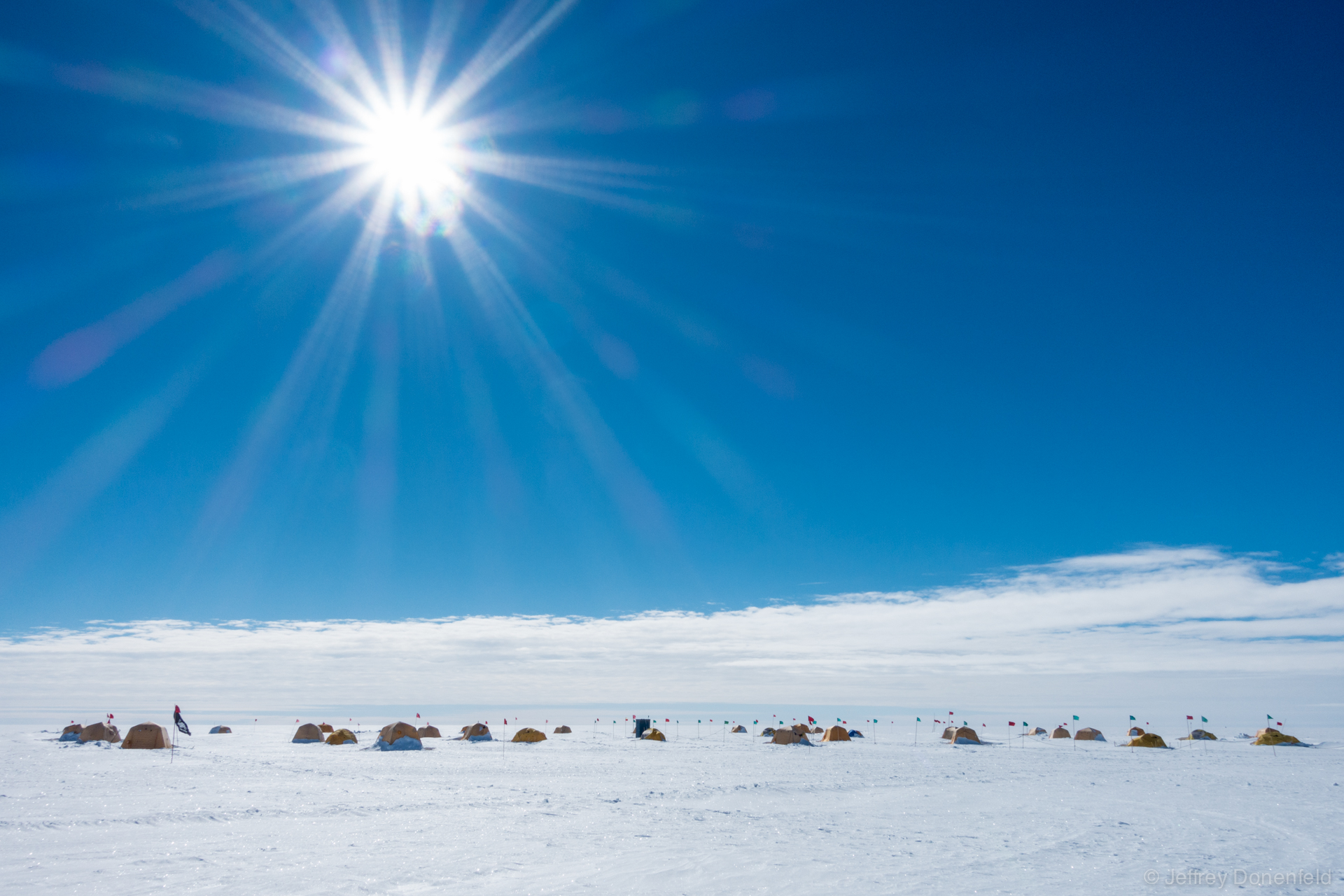
During my time in Antarctica, I lived at the Amundsen-Scott South Pole Station. The station is American-run, but supports scientists from all over the world. For a bit more on the specifics of the station, check out the Wikipedia Article.

The Amundsen–Scott South Pole Station is an American scientific research station at the Geographic South Pole, the southernmost place on the Earth. The station is located on the high plateau of Antarctica at an elevation of 2,835 meters (9301 feet) above sea level.

Since the Amundsen-Scott Station is located at the South Pole, it is at the only place on the land surface of the Earth where the sun is continuously up for six months and then continuously down for six months. (The only other such place is at the North Pole, on the sea ice in the middle of the Arctic Ocean.) Thus, during each year, this station experiences one extremely long “day” and one extremely long “night”. During the six-month “day”, the angle of elevation of the Sun above the horizon varies continuously. The sun rises on the September equinox, reaches its maximum angle above the horizon on the summer solstice in the Southern Hemisphere, around 20 December, and sets on the March equinox.

During the six-month “night”, it gets extremely cold at the South Pole, with air temperatures sometimes dropping below ?73 °C (?100 °F). This is also the time of the year when blizzards, sometimes with gale-force winds, strike the Amundsen-Scott Station. The continuous period of darkness and dry atmosphere make the station an excellent place from which to make astronomical observations.
The number of scientific researchers and members of the support staff housed at the Amundsen-Scott Station has always varied seasonally, with a peak population of about 200 in the summer operational season from October to February. In recent years the wintertime population has been around 50 people.

I was hired to work as a cook at the south pole station. My primary job was as the breakfast cook, and my direct employer was Gan-A-Yoo Services, which is a subcontractor under Lockheed Martin’s Antarctic Support Contract. I got up at 3am 6 mornings per week to single handedly cook breakfast for the entire station staff. For more info on my kitchen job, see my article: Working In The South Pole Kitchen.

I also worked as an emergency medical responder on the station’s “Team 4″, which was in charge of emergency medical response. I worked alongside the fire crew, our nurse, and the station’s lead physician Dr. Sean Roden. More: Team 4 – Emergency Medical Response.

Next, I was one of three station tour guides. When tourist groups would arrive at pole via flight or skis, I got to give them a brief tour around the station. More: Tourists At The South Pole and Welcoming Skiers To The South Pole.

And finally, I spent whatever free time I had acting as the station correspondent for the United States Antarctic Program’s Antarctic Sun Newspaper. Throughout the summer, I wrote a series of single-topic articles, as well as monthly station summaries, which were published on the USAP’s site. Articles published in the Antarctic Sun.

2013-01-28 All-Station Photo - SP KBA Station Photo 012813-1-FullWM 2013-02-12 NPX>MCM - DSC07040-2000-90 2012-11-27 Keck Array Disassembly - IMG_1044-1600-80 2012-11-16 Ice Cube Observatory - IMG_0529-1600-80

Traveling to and from Antarctica:

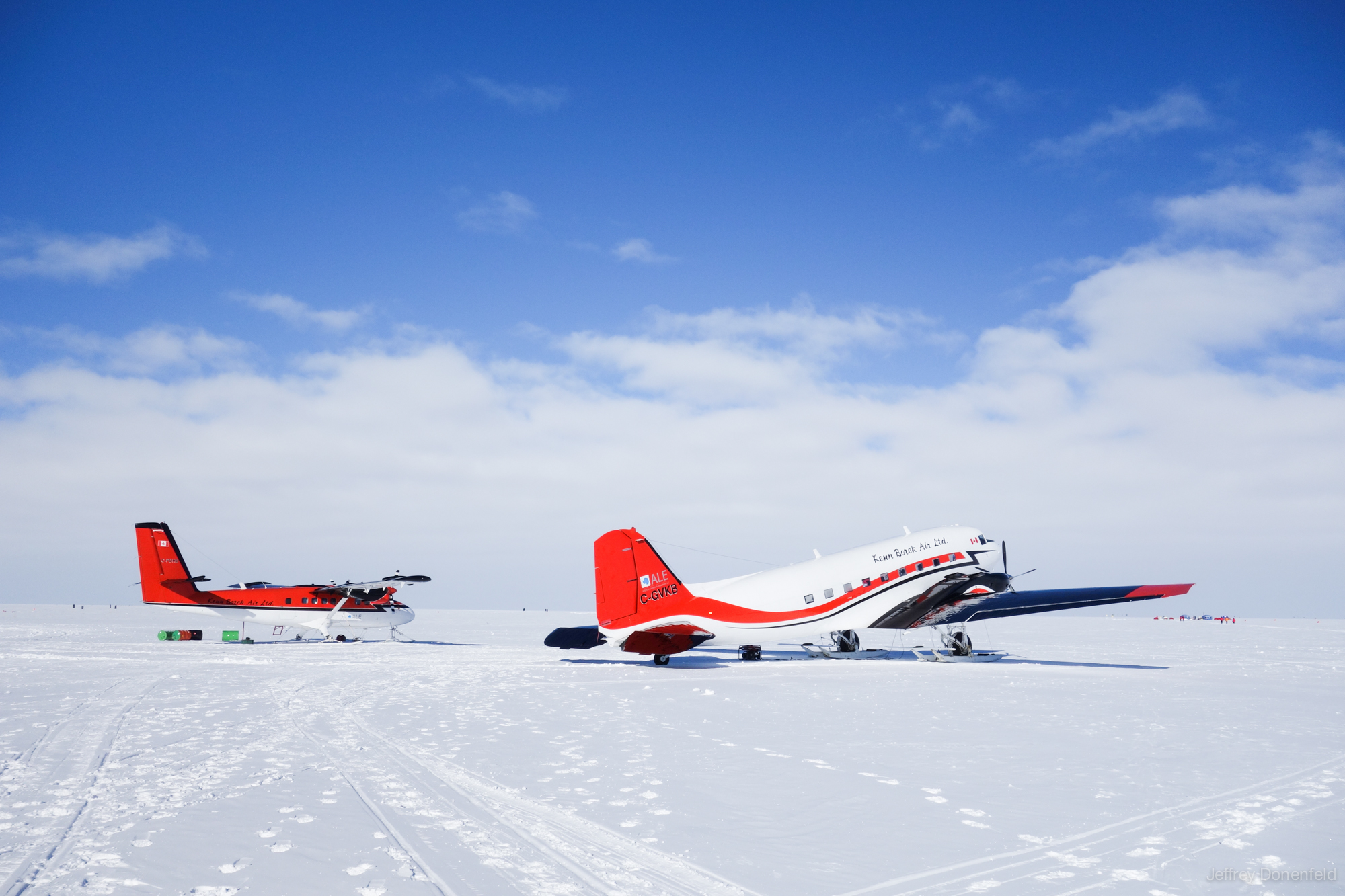
Although long, the journey to and from the south pole was incredible in itself. I flew via commercial air from Denver Colorado > San Francisco California, San Francisco California > Los Angeles California, Los Angeles California > Sydney Australia, Sydney Australia > Christchurch New Zealand. Then on US Air Force Operation Deep Freeze military flights from Christchurch New Zealand > McMurdo Station Antarctica and McMurdo Station Antarctica > South Pole Station Antarctica. The entire journey took a solid three days of travel, but was a spectacular tour. Articles on traveling to and from Antarctica:

2012-11-12 CHC to McMurdo - DSC01460-1600-80 2012-11-12 CHC to McMurdo - DSC01554-1600-80 2012-11-12 CHC to McMurdo - DSC01602-1600-80 2012-11-13 McMurdo>Pole - DSC01764-1600-80 2012-11-13 McMurdo>Pole - DSC01782-1600-80

Facilities at the South Pole Station

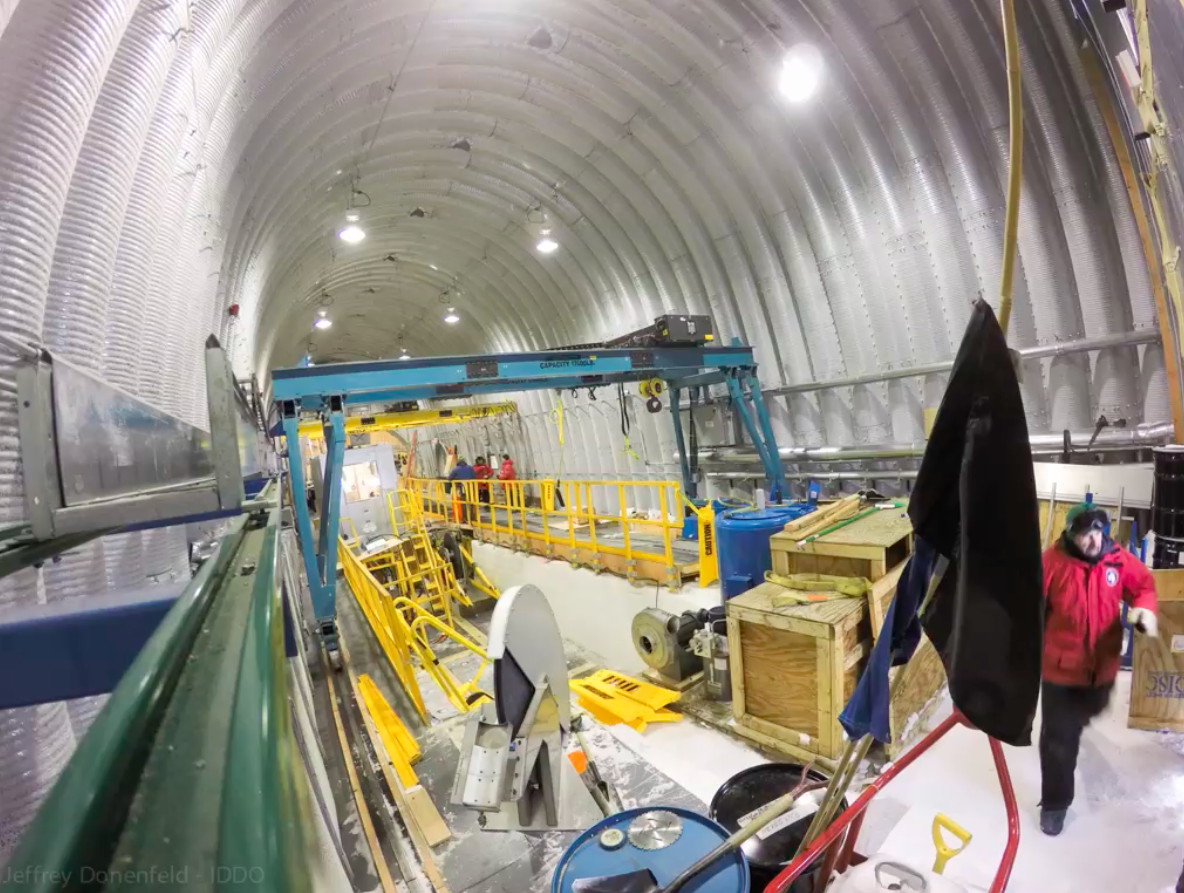
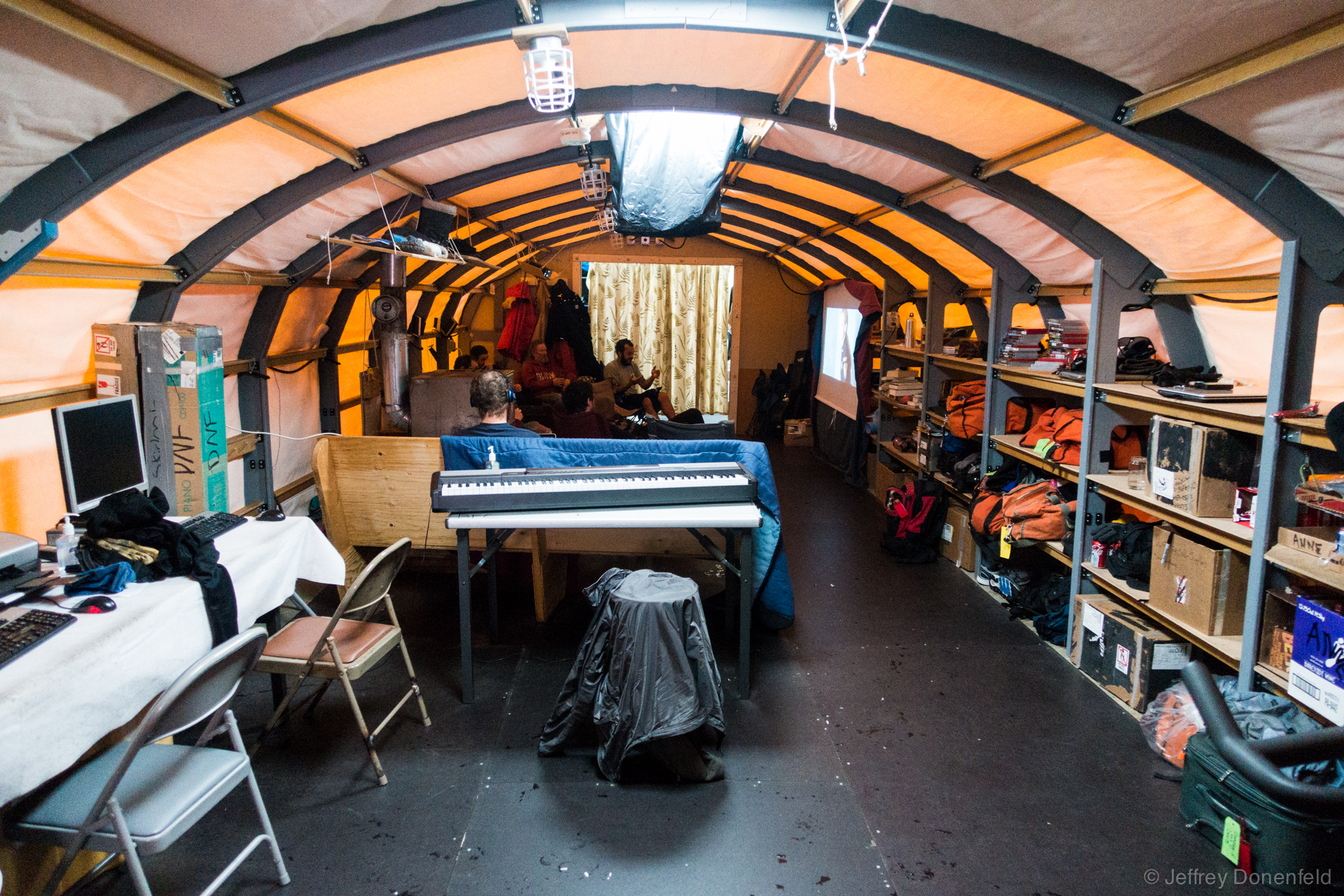
Living at a frozen polar station is interesting – super interesting. The entire station is suspended above the ice by pylons, and includes everything we need to survive. In addition to the elevated station, there’s also a labrynth of support corridors and arches buried deep under the ice. I documented as much of the station as I could. First, be sure to watch my South Pole Station Tour Video on YouTube. Additionally, below are links to my writeups on each part of the station.

2012-12-17 Supply Arches 2012-11-18 UT Round With Chuckles - IMG_0722-1600-80 2012-11-18 UT Round With Chuckles - IMG_0653-1600-80 2012-12-08 Jean shorts South Pole International Plumbers-n-Pipefitters

Science at the South Pole

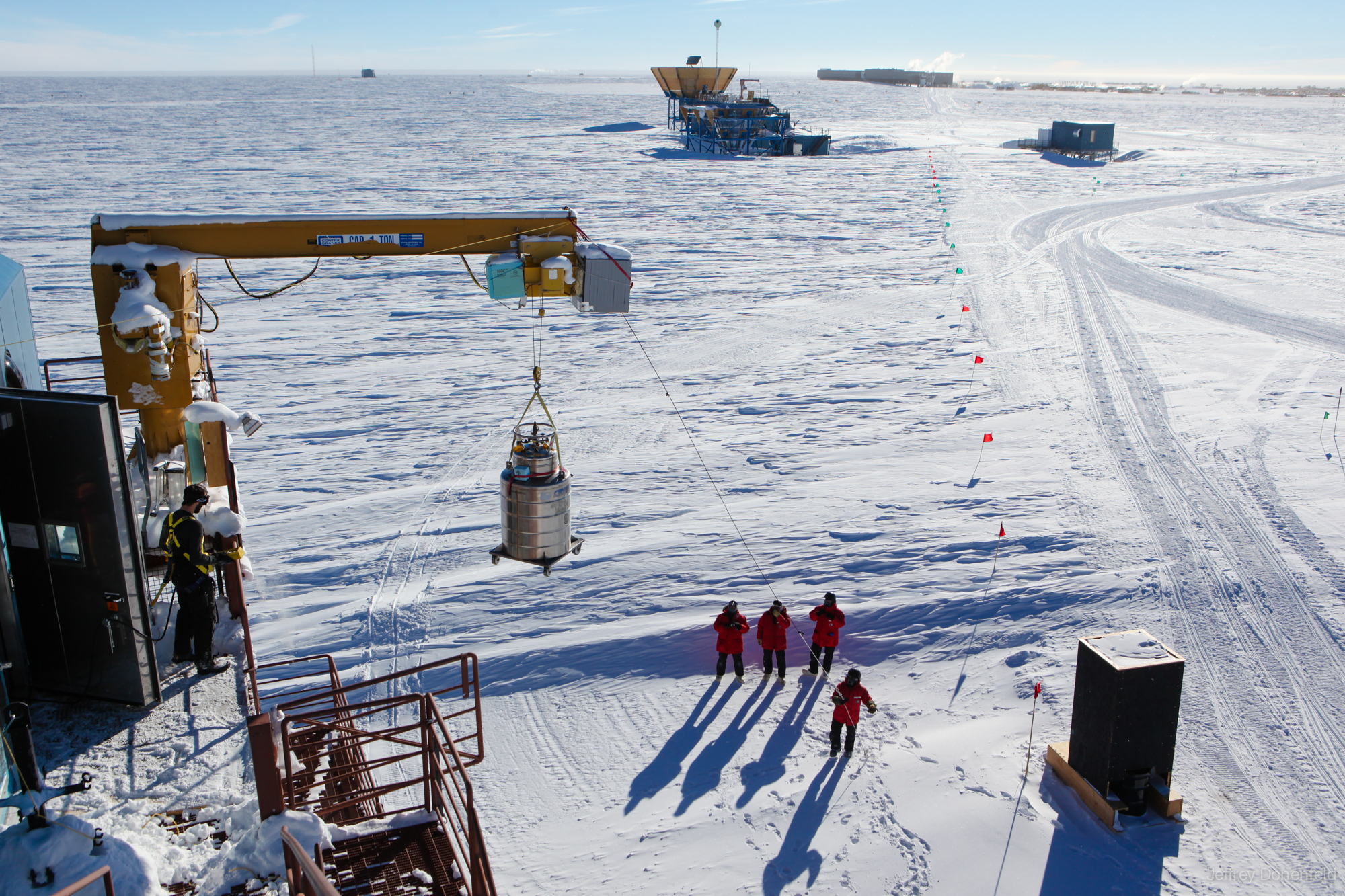
The primary goal for the South Pole Station is to support scientific research and exploration. There are an incredible amount of world-class science experiments going on there, and since I lived on station, I had the opportunity to explore almost all of them. Living and working with scientists every day led to a continous stream of once-in-a-lifetime conversations about their work, science in general, the universe, etc. Additionally, I spent much of my free time actually helping out a couple of the experiments. Notably, I spent a good amount of time in the field building the drilling rig for the Askaryan Radio Array, and helping out with drilling operations. Check out my time working with ARA. Here’s a collection of content about the science going on at South Pole:

2012-11-20 Bicep2 - IMG_0841-1600-80 2012-11-27 Keck Array Disassembly - DSC02245-1600-80 2012-11-27 Keck Array Disassembly - IMG_1556-1600-80 2012-12-01 ARA 2012-11-18 ARO

South Pole Life

Life at the South Pole is unique, but we still try to keep a bit of a normal life there. This includes celebrating holidays, lots of fun and games, and exploring the unique place we’re in. Notably, I had the opportunity to run the South Pole Marathon while I was there. More about life at the south pole:

2012-12-31 New Years 2012-12-31 New Years 2013-01-06 South Pole Marathon 2012-11-27 Keck Array Disassembly - DSC02222-1600-80

Other Content

Stuff that doesn’t fit anywhere else, but is still interesting.

2012-11-27 Keck Array Disassembly - IMG_1246-1600-80 2013-01-28 South Pole Golf Ball 2013-01-18 Vilborg 2013-01-01 PoleHawk - DSC05361-FullWM 2012-11-20 Bicep2 - IMG_0865-1600-80

McMurdo Station

Although I didn’t live at McMurdo Station, I did spend a few days there in transit. During my time at McMurdo, I did a bunch of exploring.

2013-02-12 McMurdo - DSC07432-2000-90 2012-11-12 CHC to McMurdo - DSC01701-1600-80 2013-02-12 McMurdo - DSC07587-2000-90 2013-02-12 McMurdo - DSC07611-2000-90

Getting a Job in Antarctica

On getting a job in Antarctica: Getting my job was hard. Very hard. It took over 4 years of constant research, training, networking, and organizing – and in the end, my job offer came just days before I departed. Definitely a hurculean effort – but after everything, I can truly say that it was absolutely worth the dedication and struggle. Working in Antarctica has been (and hopefully will continue to be) an incredible, life changing experience. If you stay dedicated to it, and make it happen for yourself, it will be an amazing voyage.

Media:

During my time on the ice, I took over 10,000 photos, and shot hours of video. I shot on three main cameras: My Canon 5Dmk2 w/ EF 24-70 f/2.9L lens, Sony RX100, and Apple iPhone5.

Thanks for reading! Let me know if you have any other questions! 

2013-02-09 South Pole Portraits - IMG_3475-FullWM

A Tour of the Amundsen-Scott South Pole Station, Antarctica

2012-12-02 Destination Alpha - IMG_2048-1920After living and working at the Amundsen-Scott South Pole Station during the summer 2012-2013 season, I’ve had the chance to see most parts of the station. Additionally, I also worked as a tour guide for the various tourist groups who visited the station. Here’s a brief narrated video tour of both the elevated station as well as the buried service structures. Shot on the Sony RX100.

For more on my time in Antarctica, be sure to see my Antartica Blog.

Back to McMurdo

McMurdo Station. After living at South Pole, it was a bit of a shock to arrive in big bad McMurdo – Lots of people, dirt, dust, buildings, terrain, machines.. everything. Major overload after the pole, but a good introduction back into “society”, in preparation for reemergence back to New Zealand. I arrived at McMurdo the afternoon of Feb 12, and departed the afternoon of Feb 13 – a solid 24 hours in McMurdo. Here’s how it went down:

2013-02-12 McMurdo - DSC07432-2000-90

Arriving in mac town, fresh off Ivan The Terrabus

2013-02-12 McMurdo - DSC07430-2000-90

As soon as I had dropped my bag in my assigned dorm room, I immediately started the 45 minute hike across the island to New Zealand’s Scott Base. Scott Base is much smaller than McM or even Pole, but is still well appointed and nice. The kiwis were welcoming, and let me do a bit of shopping too.

2013-02-12 McMurdo - DSC07458-2000-90 2013-02-12 McMurdo - DSC07436-2000-90 2013-02-12 McMurdo - DSC07455-2000-90

After that, I hitched a ride back to McMurdo, took a quick 15 minutes for dinner, and then headed out with a few friends on an 8 mile hike to Castle Rock.

2013-02-12 McMurdo - DSC07466-2000-90 2013-02-12 McMurdo - DSC07473-2000-90 2013-02-12 McMurdo - DSC07492-2000-90 2013-02-12 McMurdo - DSC07495-2000-90

These emergency pods, “apples” are spaced out along the hike to Castle Rock.

2013-02-12 McMurdo - DSC07506-2000-90

Ascending castle rock via fixed ropes.

2013-02-12 McMurdo - DSC07534-2000-90

South Pole Cook Aaron Benton

2013-02-12 McMurdo - DSC07555-2000-90

We arrived back in McMurdo around 12:30, just in time for “Midrats”, the midnight meal for swing shift workers. Perfect!

After a few hours of sleep, I got up the next morning and braved the extremely fierce winds to hike to the top of observation hill.

2013-02-12 McMurdo - DSC07566-2000-90 2013-02-12 McMurdo - DSC07569-2000-90 2013-02-12 McMurdo - DSC07587-2000-90

And finally, since it was the end of the season, the tanker ship Maersk Peary was in port that week, offloading winter fuel. I went with Polies Keith and Lily Fouts on a quick tour of the ship, lead by the ships engine mechanic.

2013-02-12 McMurdo - DSC07611-2000-90 2013-02-12 McMurdo - DSC07623-2000-90 2013-02-12 McMurdo - DSC07634-2000-90 2013-02-12 McMurdo - DSC07656-2000-90

Leaving the South Pole Station for McMurdo Station

Summer has ended at the South Pole Station, and now the main summer crew is transiting through McMurdo, off the ice. My final day on station was Feb 12th. On that day, I packed up my bags, got on an LC-130 Hercules, and flew from pole to mcmurdo. As much as I was excited to be leaving for warmer climates, overall I was sad to be leaving pole – my friends there, the way of life, the general feeling of being there is truly unique and amazing, and something to be missed.

A few pics of the transit from NPX>MCM:

The herc to take us away, on the skiway. I noticed that as the temperature dropped, the cloud of kicked up snow and ice behind the hercs grew. On the day I left, it was about -47C.

2013-02-12 NPX>MCM - DSC07038-2000-90

Departing the station for the last time.. this season..

2013-02-12 NPX>MCM - DSC07040-2000-90 2013-02-12 NPX>MCM - DSC07059-2000-90

About to board – they keep the engines on at pole, so the plane stays warm and doesnt freeze. Thus, to board, we must walk around the front of the plane and pass about 20 feet in front of the spinning props.

2013-02-12 NPX>MCM - DSC07073-2000-90

Goodbye pole! That’s the Golf Ball we’re passing on the skiway.

2013-02-12 NPX>MCM - DSC07092-2000-90

During the flight over the continent, I had the opportunity to sit in the cockpit for a bit. The view is absolutely incredible, unmatched.

2013-02-12 NPX>MCM - DSC07176-2000-90 2013-02-12 NPX>MCM - DSC07144-2000-90 2013-02-12 NPX>MCM - NPXtoMCMFlightPanorama-expanded-2000-90 2013-02-12 NPX>MCM - DSC07213-2000-90

Landing in McMurdo on the Pegasus Ice Runway

2013-02-12 NPX>MCM - DSC07306-2000-90 2013-02-12 NPX>MCM - DSC07328-2000-90

The first view stepping off at McMurdo: Mt. Erebus looming in the distance.

2013-02-12 NPX>MCM - DSC07335-2000-90

Pegasus is about an hour’s drive across the sea ice from McMurdo. To get over to McMurdo, everybody is piled on the the venerable Ivan the Terrabus.

2013-02-12 NPX>MCM - DSC07390-2000-90 2013-02-12 NPX>MCM - DSC07366-2000-90

And then, we are in McMurdo!

Working in the South Pole Kitchen

Alrighty, the south pole kitchen. My official place of employment at the Amundsen-Scott South Pole Station. The reason they were paying me to be there. I also did a number of other jobs at the south pole – EMT, Tour Guide, Reporter, Research Assistant – but my main job was as the lone breakfast cook.

I’ve previously posted a bit about my role in the kitchen on my FAQ post, and I’ll re-post it here, in addition to a bunch of new photos of the kitchen.

Since I’m the breakfast cook, I singlehandedly make breakfast for 160+ people, every morning, 6 days a week. My usual breakfast consists of a number of dishes:

  • Scrambled Eggs
  • Scrambled Eggs w/ ingredient
  • Potatoes – hash browns, potato cubes, tater tots, hashbrown patties, etc.
  • Meat – Sausage links, sausage patties, bacon, canadian bacon
  • 2nd Option – Varies, mostly whatever I want. In the past I’ve made huevos rancheros, migas, biscuits n gravy, bread pudding, breakfast bake, baked eggs, quiche, casseroles, etc etc etc – there’s intense pressure from upper management for me to make something new every morning, so I’m always racing to think up something new and tasty.
  • Sweet – french toast, pancakes, waffles, w/ syrup
  • Yogurt – made from scratch
  • Berries
  • Fruit
  • Granola
  • Cereal – oatmeal, 7-grain, grits
  • Smoothie – fruit smoothie, frappuccino, horchata, chai

And after I’m done making all of this in the 2 hours before breakfast service starts, I stand at the griddle and make eggs to order while breakfast is served. I usually make about 90-100 eggs per morning, usually over easy, over medium, scrambled, sunny, or “in a frame” (name chosen by Liz :) ).

While I’m doing all of this, I also have to be prepping for the next morning’s meal. I get to work at 03:30 and start cooking. Breakfast service is from 06:00-08:00. And then I have to be done with all of my breakfast cleanup, as well as complete prep for the next morning by 09:00. I take my first break from 09:00 – 09:30, and then I come back and work with the lunch lady to make lunch for everybody. I get out of work at 13:30, and then usually try to get to sleep around 20:00, so I can wake up at 03:00 the next morning and do it all over again.

A few photos of the south pole kitchen, and my breakfast setup:

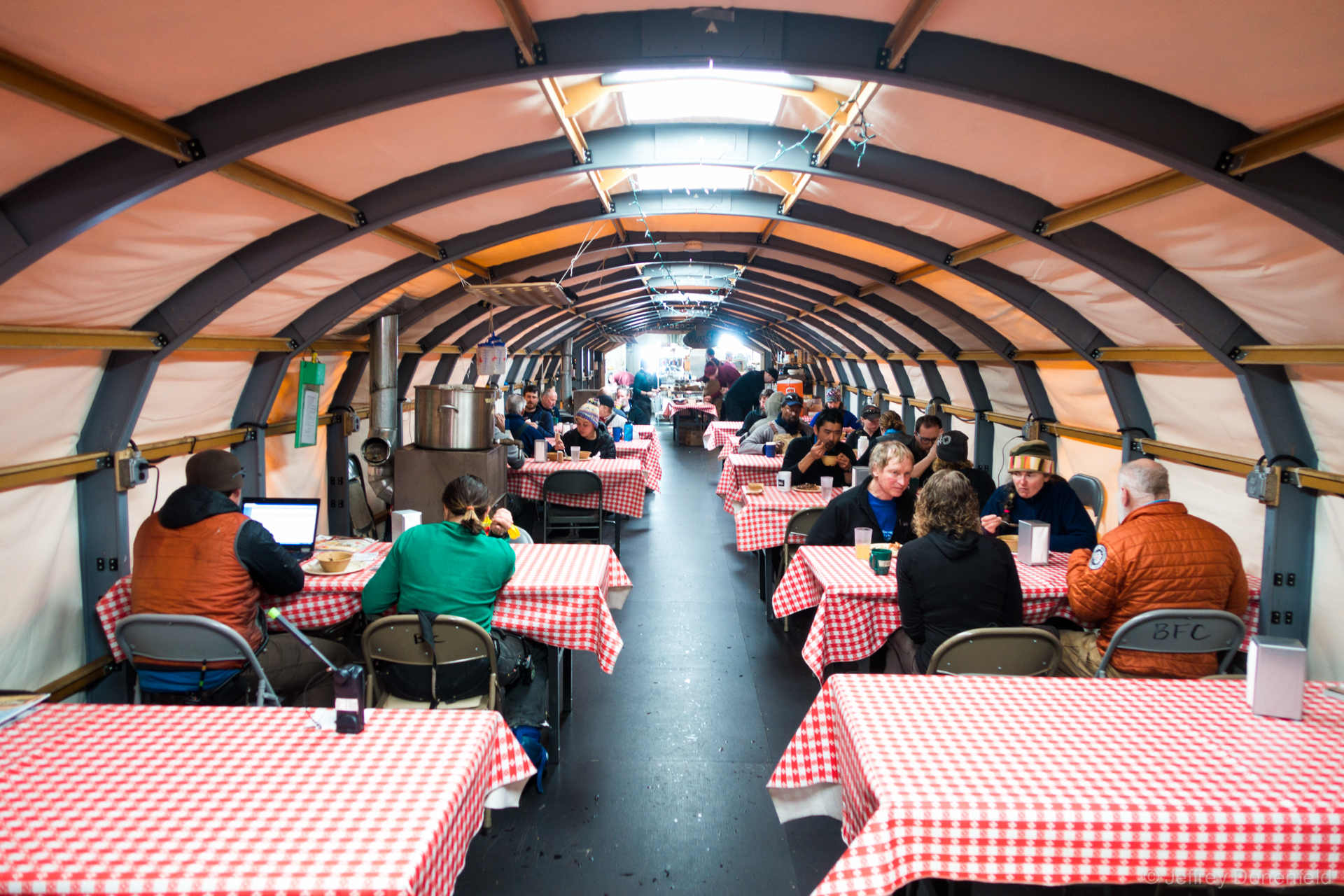
Front of the kitchen. Here you can see my prep counter on the right, and the serving line on the left.

2012-11-19 Kitchen - DSC06892-2000-90

Back of the kitchen, with ovens, range, fryer, steam kettle, tilt skillet.

2012-11-19 Kitchen - DSC06893-2000-90

Inside one of the walk in’s, I had my own breakfast rack, where I stored my prepped food.

2012-11-19 Kitchen - IMG_1011-2000-90

The flattop griddle. This is where I made all of the eggs, pancakes, etc. Here in this pic, you can see that I’ve made a “levee” out of chopped peppers, onions, beans, and corn which prevents the eggs from running off the edge while they cook. Eventually I mix it all together. Egg-engineering. I was like and “egg-gineer”. Yeah. Oh, and there’s one twins egg in the second pic. You can also see that this pic was taken fairly early in the season, because there are two bowls of fresh fruit out on the line.

2012-11-19 Kitchen - IMG_0916-2000-90 2012-11-19 Kitchen - IMG_1140-2000-90 2012-11-19 Kitchen - IMG_0925-2000-90

My breakfast line, a few views with all of my breakfast food setup. I made all of this singlehandedly every morning.

2012-11-19 Kitchen - IMG_1164-2000-90 2012-11-19 Kitchen - IMG_1025-2000-90 2012-11-19 Kitchen - DSC06642-2000-90

And we even had a deli slicer. Good for slicing corned beef, evening out shoes and furniture, and feeding noisy cats. And that’s my snazzy Antarctica 59fifty new era hat.

2012-11-19 Kitchen - IMG_0909-2000-90

The entrance to the Galley

2012-11-19 Kitchen - DSC06771-2000-90

Heather our baker makes all sorts of tasty sweets such as her bark medley

2012-11-19 Kitchen - DSC02593-2000-90

One of two most hotly debated items – the ice cream freezer. This freezer actually broke early in the season, and so to keep order and peace around the station, we stored the ice cream outside on the deck, and brought it inside for brief periods during meals. The other item that was most likely to cause riots if/when it breaks is the coffee machine.

2012-11-19 Kitchen - DSC02249-2000-90 2012-11-19 Kitchen - DSC02251-2000-90